

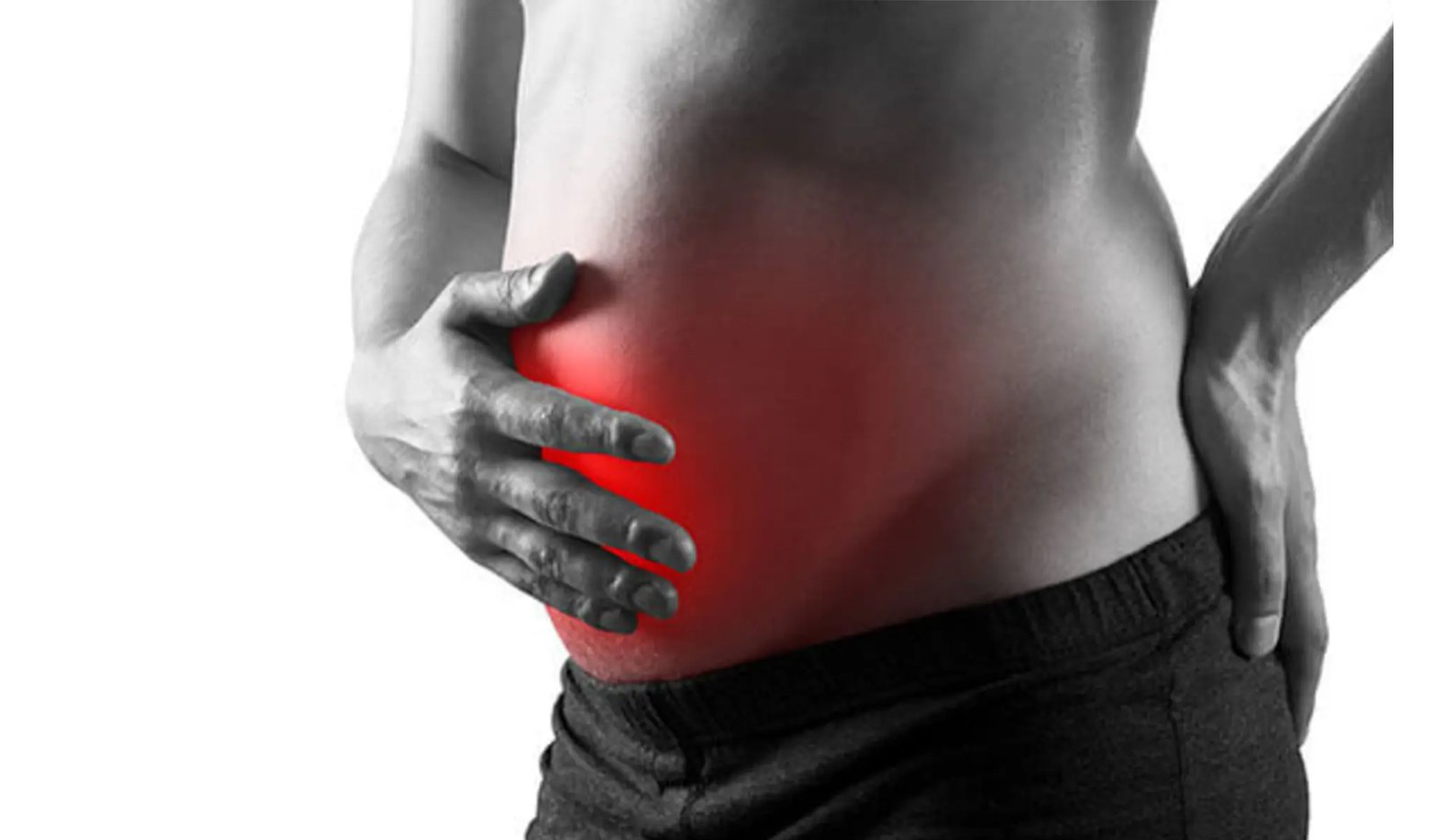
Bloating is a very common and uncomfortable digestive issue that many people experience today. The tight, swollen sensation in your stomach can make you feel uneasy, sluggish, and irritable. While it’s normal to experience occasional bloating, frequent occurrences may indicate that your daily habits require some adjustments.
Here are some ways to relieve bloating and enhance your gut health naturally.
1 Eat Slowly
One major cause of bloating is eating too quickly. When you hurry through meals, you take in extra air, which can result in gas and stomach pain.
Tip:
Take your time to chew your food thoroughly, avoid distractions while eating, and pause between bites.
2 Be Mindful of Your Food Choices — Not Just Portions
Some foods are particularly known to cause bloating, especially if consumed in large amounts.
Common offenders include:
Fried and greasy foods
Too much dairy (especially for those who are lactose intolerant)
Carbonated beverages
Refined carbohydrates and sugary treats
High salt intake, which leads to water retention
Tip:
Pay attention to which foods make you feel bloated and try to limit them. Everyone’s digestive system is different.
3. Stay Properly Hydrated
Not drinking enough water can slow down digestion and increase bloating. However, drinking a lot of water all at once can also lead to discomfort.
Tip:
Drink water gradually throughout the day instead of consuming large amounts in one go.
4 Get Moving Every Day
A lack of physical activity can hinder digestion and cause gas to build up in the gut.
Tip:
A 20–30 minute walk after meals, along with gentle stretching or yoga, can greatly help reduce bloating.
5 Control Your Stress Levels
Your brain and gut are linked. Stress and anxiety can interfere with digestion, causing bloating and gas.
Tip:
Engage in deep breathing, meditation, or basic relaxation methods to soothe your system.
6 Skip Heavy Meals Before Bed
Consuming heavy or spicy foods late at night doesn’t allow your body enough time to digest properly.
Tip:
Try to eat your last meal at least 2–3 hours before you go to sleep.
7 Limit Antacid Use
Although antacids can provide short-term relief, using them too often may actually increase bloating by upsetting gut balance.
Tip:
If bloating continues, see a doctor rather than treating yourself.
8. When to See a Doctor
Occasional bloating is common, but seek medical advice if bloating is:
- Persistent or worsening
- Accompanied by pain, vomiting, or weight loss
- Associated with breathlessness or severe discomfort
Bloating is not only related to food — it also involves habits. Making simple adjustments such as eating mindfully, being active, handling stress, and recognizing your body’s signals can significantly improve your digestion and overall comfort.
Pay attention to your gut — it usually knows what it requires.